How Mobile App Interfaces Alter Decision Patterns During Live Roulette Sessions
Skriven av Theo Günther · 2026-08-18

How Mobile App Interfaces Alter Decision Patterns During Live Roulette Sessions
Live roulette sessions on mobile apps present players with compact layouts that combine spinning wheels, betting grids, and live video feeds into single screens, and these designs influence how quickly decisions form. Research from academic institutions shows that touch-based controls reduce the time between observing outcomes and placing new bets, because users tap directly on numbers or color zones rather than navigating separate menus. Data collected through app analytics in August 2026 indicated shorter intervals between spins compared with desktop versions, where mouse movements and clicks add measurable delays.
Touch Gestures and Speed of Play
Gesture recognition in mobile roulette apps allows swipes and taps to confirm bets, which researchers have linked to increased frequency of wager adjustments during ongoing rounds. A study conducted by analysts at the University of Sydney examined session logs and found that players using swipe-to-bet features modified their selections more often within the same game cycle than those relying on traditional click methods. Because the interface registers actions instantly, patterns emerge where participants shift from even-money bets to inside numbers after short losing streaks, a behavior tracked across thousands of sessions in regulated markets.
App developers integrate haptic feedback that vibrates on successful bet placement, and this sensory cue reinforces the action without requiring visual confirmation, allowing users to keep their eyes on the wheel. Observers note that such feedback loops contribute to sustained engagement levels, particularly when live dealers announce results in real time through embedded audio streams.
Visual Layouts and Attention Allocation
Color-coded betting areas and dynamic highlights draw focus toward specific options, and eye-tracking studies reveal that mobile users fixate longer on highlighted zones than on neutral sections of the grid. When apps display real-time hot and cold number indicators, decision sequences change as players reference these overlays before committing chips. Figures from industry reports compiled in mid-2026 showed measurable shifts toward following displayed streaks, especially during evening peak hours when live tables attract higher traffic.
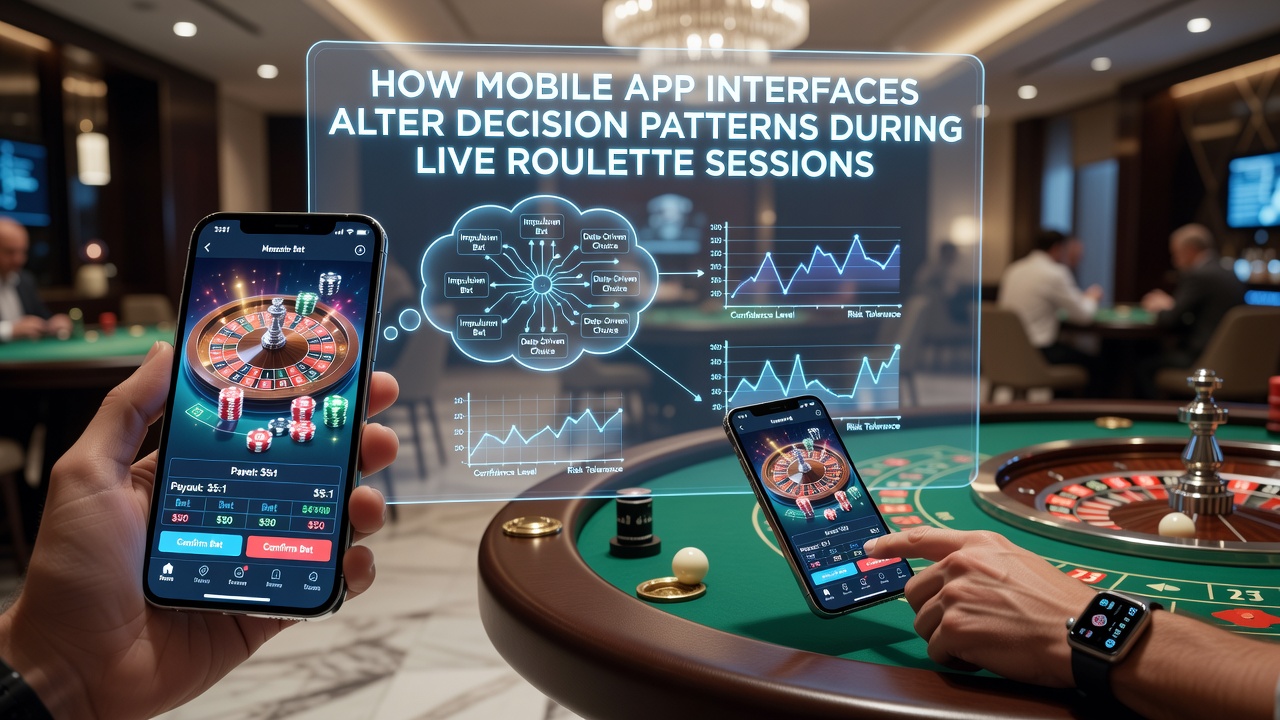
Screen size constraints force designers to stack multiple information panels, which means some statistics remain hidden until users expand menus, and this layering affects how comprehensively participants review odds before finalizing choices. Those who study interface ergonomics point out that vertical scrolling introduces brief pauses that sometimes interrupt momentum, leading to more conservative bet sizing in later stages of extended sessions.
Notifications and Real-Time Prompts
Push notifications about table limits, dealer changes, or bonus multipliers arrive directly on the device, and data from regulatory filings indicate these alerts correlate with temporary spikes in bet amounts immediately after receipt. Canadian provincial gaming authorities have documented cases where users responded to time-sensitive offers by adjusting strategies mid-session, often moving toward higher-variance selections when prompted. Because notifications interrupt the primary view, they create decision points that did not exist in non-mobile environments.
Live chat features integrated beside the wheel enable quick exchanges with dealers or other participants, and transcripts analyzed in research projects demonstrate that social prompts can steer betting toward popular numbers during communal rounds. The combination of visual, tactile, and auditory signals within one handheld device therefore compresses the reflection period that traditionally separates observation from action.
Data Presentation and Risk Assessment
Charts showing historical outcomes appear in collapsible side panels, and users who expand these elements spend additional time reviewing trends before placing bets, according to aggregated usage metrics. When interfaces present probability estimates alongside chip denominations, selection patterns tilt toward options that align with the displayed figures rather than personal preference alone. Reports issued by the Malta Gaming Authority in 2026 tracked these interactions across multiple operators and confirmed consistent variations in average bet distribution based on how prominently such data appeared on screen.
Adaptive interfaces that resize buttons based on recent activity further personalize the experience, and testing conducted by software firms revealed that larger hit zones for frequently chosen bets reduce hesitation. This design choice streamlines repeated actions while leaving less prominent options smaller, which subtly directs traffic toward certain patterns over others.
Conclusion
Mobile app interfaces reshape decision timing, focus allocation, and response to external cues during live roulette by integrating touch controls, layered information, and immediate feedback mechanisms into portable devices. Studies continue to map these effects through session data and behavioral logs, providing operators and regulators with clearer pictures of how layout choices translate into observable wagering sequences across different markets.